
Spending time at home with your dog sounds easy in theory.
In reality, it often turns into your dog staring at you… pacing… grabbing a toy… then staring again like you’re supposed to magically come up with entertainment on the spot.
If you’ve ever thought, “We’re home all day, why does my dog still seem bored?” you’re not doing anything wrong.
Dogs need engagement apart from just the space. But don’t stress over the need for a backyard or a lot of energy. You can keep the dog happy indoors as well.
There are so many things to do with your dog at home that help build your bond and make your dog feel mentally fulfilled.
This guide focuses on some everyday activities that work for normal homes and busy schedules. Some are calm, some are playful but they are all meaningful.
Table of Contents
Why At-Home Activities Matter So Much
Dogs are social, curious creatures. When they don’t get enough stimulation, they often invent their own “fun” that usually looks like chewing things up, barking too much or getting into stuff they shouldn’t.
At-home activities help:
- Reduce boredom & anxiety
- Strengthen your connection
- Improve behavior
- Burn mental energy (which is just as important as physical exercise)
You don’t need to spend every hour with your dog. Even 10–15 minutes of intentional time can make a big difference here.
1: Play Interactive Games (Not Just Tossing Toys)
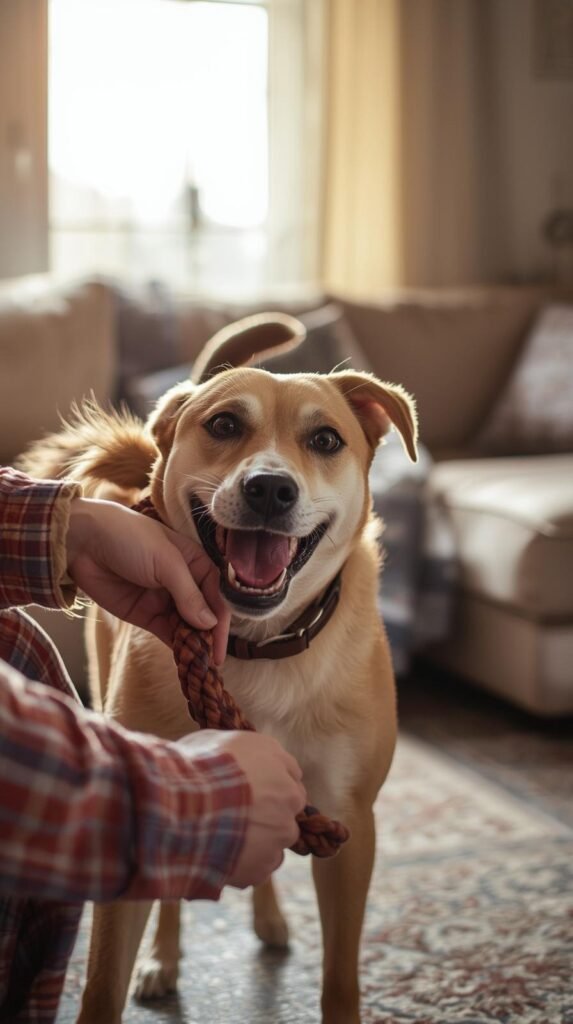
Playing with your dog should be more than just throwing a toy and then waiting. Interactive play means you are actively involved and fully present.
Try games like:
- Tug with clear start and stop cues
- Gentle indoor fetch using soft toys
- Chase-and-pause games where your dog has to wait before grabbing the toy
The key is engagement. When you’re involved, your dog focuses more and tires out faster.
Why this works:
Interactive play strengthens communication and burns both physical and mental energy.
When to do it:
Short bursts throughout the day, 5-10 minutes is plenty.
2: Teach New Tricks or Refresh Old Ones
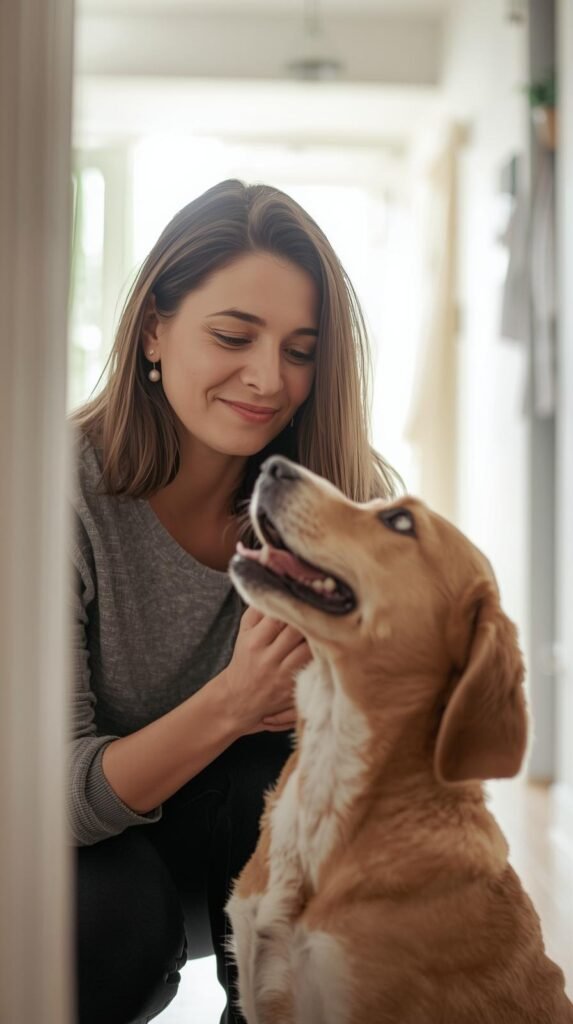
Training isn’t just for puppies. Dogs benefit from learning new things.
You don’t need advanced tricks. Simple skills work just fine:
- Sit, down, stay
- Shake or high-five
- Spin, touch, or “place”
Break each trick into small steps and reward the little wins. Perfection should not be the goal here and try to keep sessions short and positive.
Why this works:
Learning new things engages your dog’s brain and builds confidence.
Bonus:
Training strengthens your bond and improves everyday behavior.
3: Set Up a Simple Indoor Obstacle Course
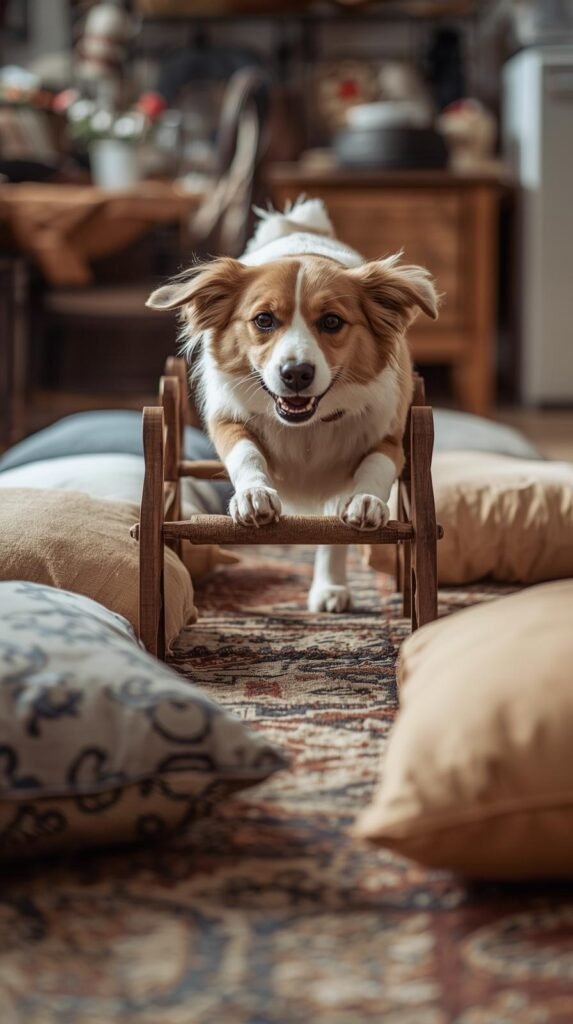
You don’t need agility equipment to create a fun challenge.
Use things you already have:
- Chairs to weave around
- Pillows to step over
- A table to crawl under
- Towels to walk across
Use treats to guide your dog slowly cause it isn’t about speed, it’s the focus and problem solving.
Why this works:
Obstacle courses combine movement along with thinking and body awareness all at the same time.
Tip:
Always keep this Indoor Obstacle Course safe and possibly low-impact, especially for smaller or older dogs.
4: Play Scent Games and Hide-and-Seek
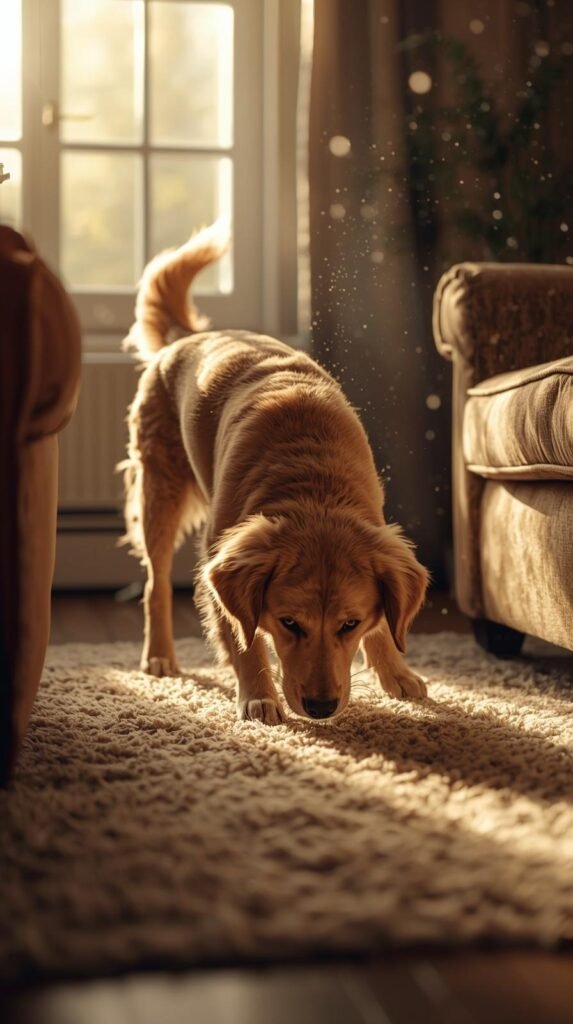
Dogs take in most of the world through their noses. Because of that, scent-based games tend to do a lot of quiet work indoors.
When treats or toys are hidden around a room, dogs naturally shift into search mode. Movement slows, focus increases, and sniffing takes over.
The challenge can grow over time, but even simple setups often hold attention longer than expected.
Some dogs respond just as strongly to finding a familiar person. Turning it into a low-key hide-and-seek moment taps into the same instincts without adding excitement or noise.
Why this works:
No doubt that Sniffing uses a large amount of mental energy, but in a way that is calming not overwhelming.
Great for:
- Rainy days
- Smaller living spaces
- Dogs that need low-key enrichment
5: Create Calm Bonding Time (Yes, This Counts)
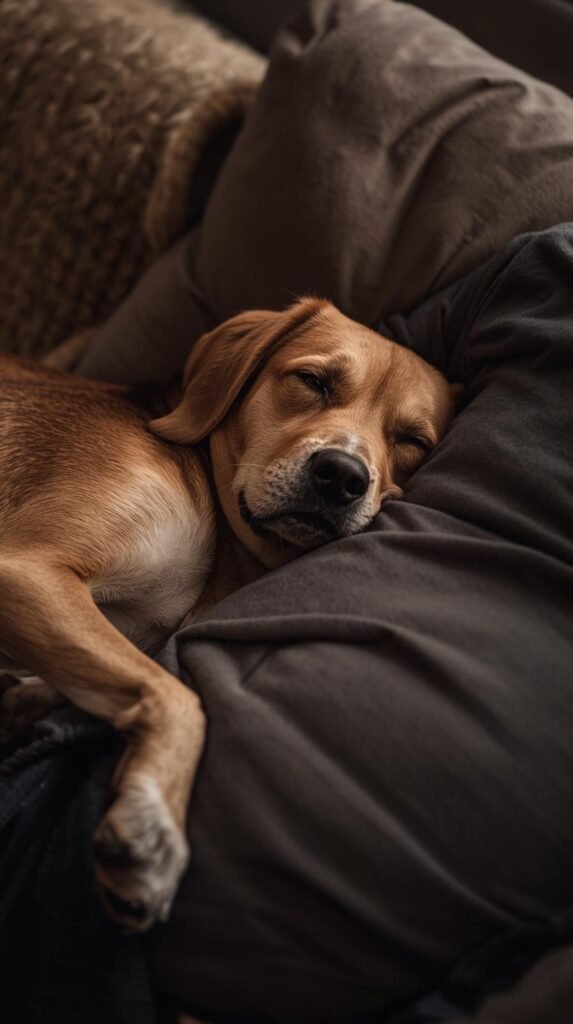
Not every activity has to be high energy.
Quiet time matters too. Sit with the dog and gently pet them or talk softly. Share space without distractions.
Dogs are incredibly sensitive to presence so a calm relationship builds trust and emotional security.
Why this works:
Spending quality time together lowers stress and strengthens your relationship.
When to do it:
After play sessions, in the evening, or whenever your dog seems overstimulated.
6: Use Food Enrichment Instead of a Bowl
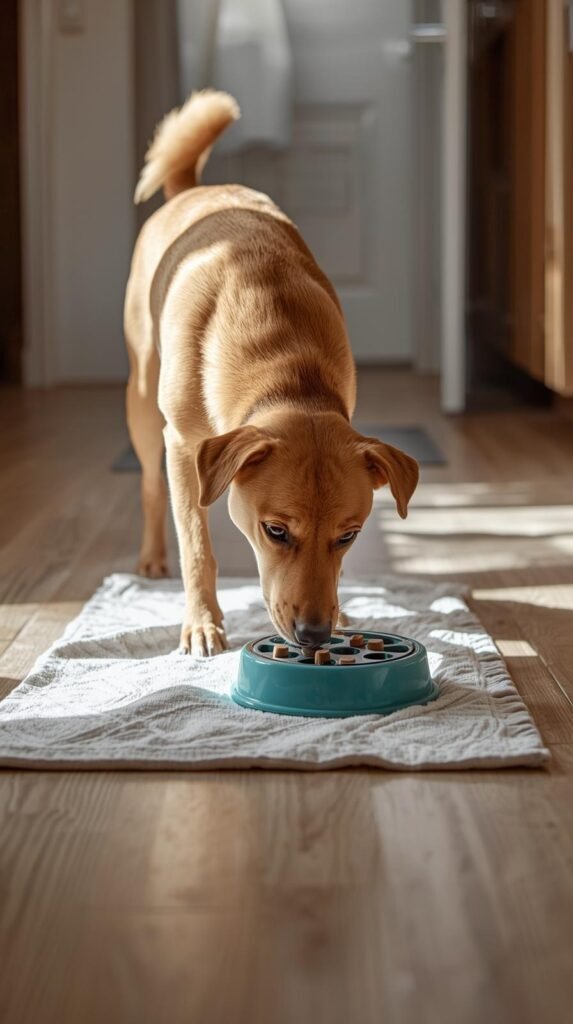
Feeding time can be fun, not boring.
Rather than always putting food in a bowl, try following:
- Puzzle feeders
- Scatter feeding on a towel
- Rolling kibble inside a wrapped cloth
This turns mealtime into an activity instead of a quick task.
Why this works:
Food enrichment taps into natural foraging instincts and slows eating.
Bonus:
It keeps your dog busy while you take care of other stuff.
7: Grooming and Care as Quality Time
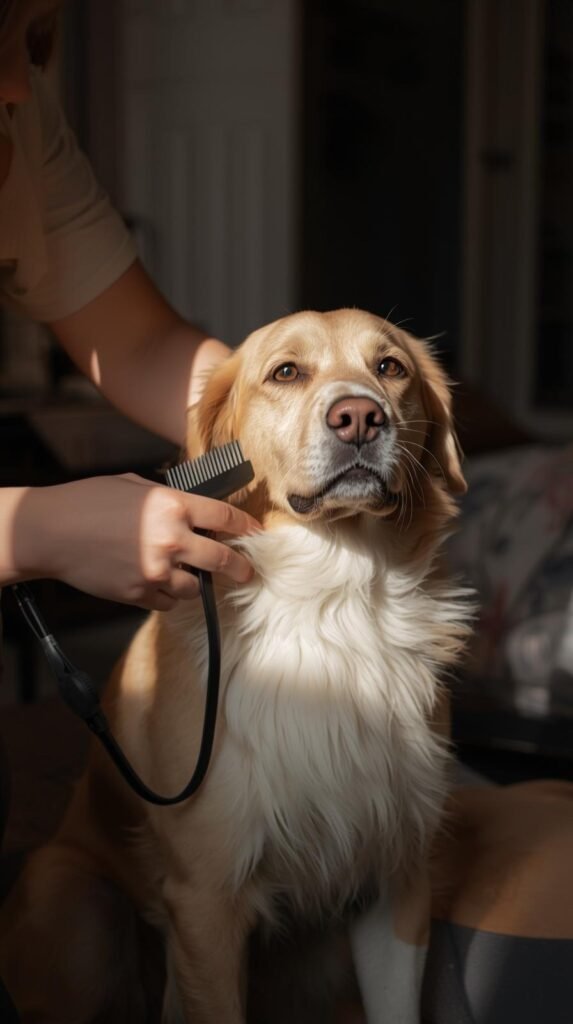
Don’t take grooming as a task.
Use moments like brushing, paw checks or gently cleaning ears as positive ones. Go slow and reward cooperation so dogs can relax into it instead of resisting.
Over time, grooming becomes something your dog tolerates, or even enjoys.
Why this works:
It builds trust and helps you notice health issues early.
Tip:
Stop before your dog gets restless. Short sessions work best.
8: End the Day With a Predictable Routine

Dogs feel secure when they know what comes next.
A simple evening routine could include:
- A short walk or play session
- A calm chew or lick activity
- Quiet time together before bed
Predictability helps dogs settle and sleep better.
Why this works:
A clear wind-down routine reduces restlessness and anxiety.
How to Choose the Right Activities for Your Dog
Not every dog enjoys the same things.
Pay attention to:
- Energy level
- Age
- Personality
- Physical limitations
Rotate activities instead of doing everything every day. Variety keeps things interesting without overwhelming your dog.
Common Mistakes to Avoid
- Overstimulating without calm time
- Doing activities for too long
- Ignoring signs of stress
- Hoping constant engagement
Always remember that quality matters more than quantity here too.
Final Thoughts
There are hundreds of things to do with your dog at home, but the best ones are those that fit naturally into your life.
Your dog doesn’t need non-stop entertainment but instead needs connection and consistency.
When you show up with intention, even for a few minutes your dog feels it. And those small moments add up to a happier, calmer, more fulfilled companion.
You’re not just passing time.
You’re building a relationship.

Pingback: Mistakes Dog Owners Make Without Realizing