
You just have to live with a dog and know that there is never a dull moment.
Whether it is the excited tail wagging at the door to greet you or the general chaos on the couch, dogs would make every day a little brighter and a lot messier.
However, there is a catch to this: even because you love your dog, it does not necessarily mean that you are an exemplary dog parent.
I have witnessed it myself (and I was guilty too). You may believe you are doing everything correctly, yet little mistakes may hurt your dog, its health, behavior, and even happiness and you might not even notice.
The problematic aspect is that these mistakes are subtle.
There is no online instructions given when you adopt a pup and social media tips are everywhere. But how do you realize whether you are committing these mistakes?
This article lists the common mistakes dog owners make in real life and how to rectify them without stress. None of them, only good advice to be followed in everyday living.
Table of Contents
Mistake #1: Skipping Mental Stimulation
Many dog owners focus entirely on physical exercise. Walks? Check. Playtime in the yard? Check. Tug-of-war sessions? Check.
But here’s the thing: dogs get bored mentally faster than physically, especially smart breeds.
Mental Stimulation is Important Why?
Dogs must think, solve problems, as well as explore in their brains, not just their legs. Without mental challenges:
- They acquire destructive behavior (chewing furniture, digging, barking)
- They get anxious or hyperactive
- They may become frustrated or lethargic
How to Fix It
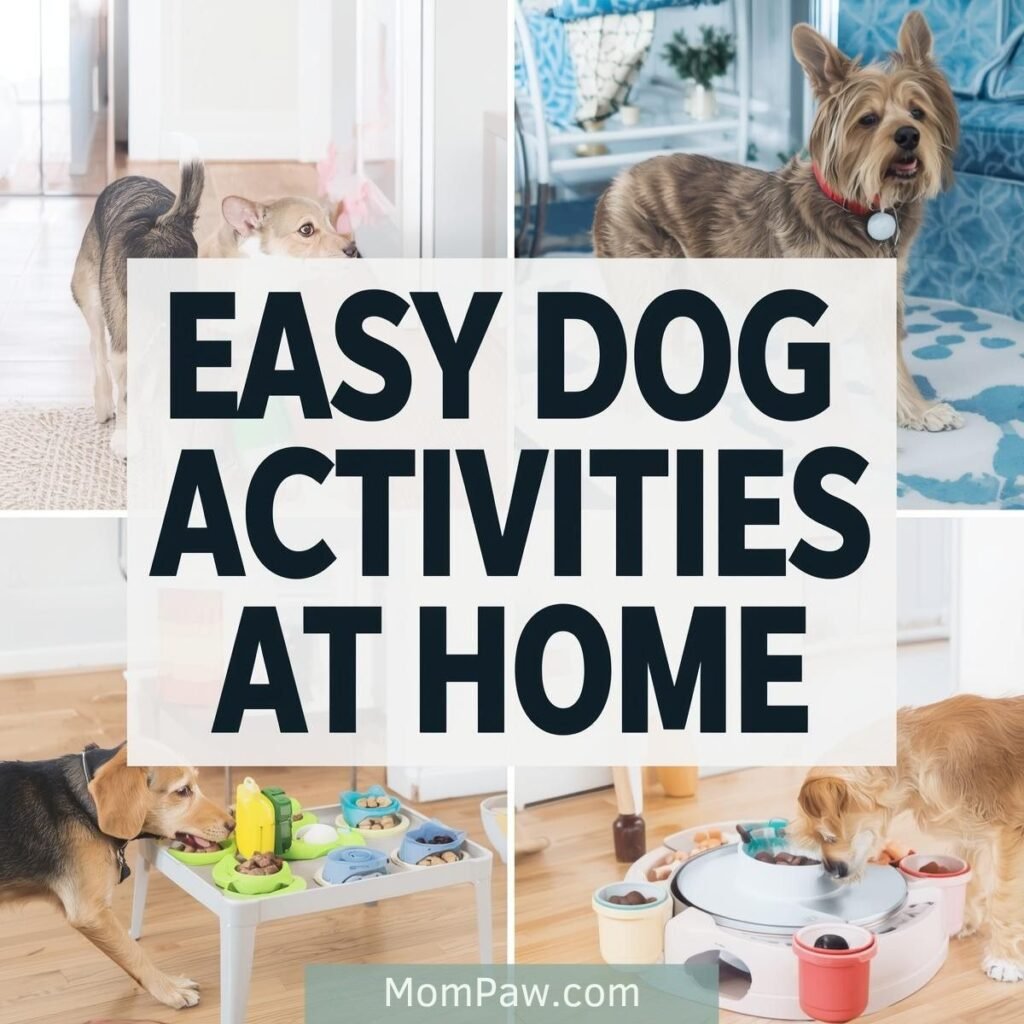
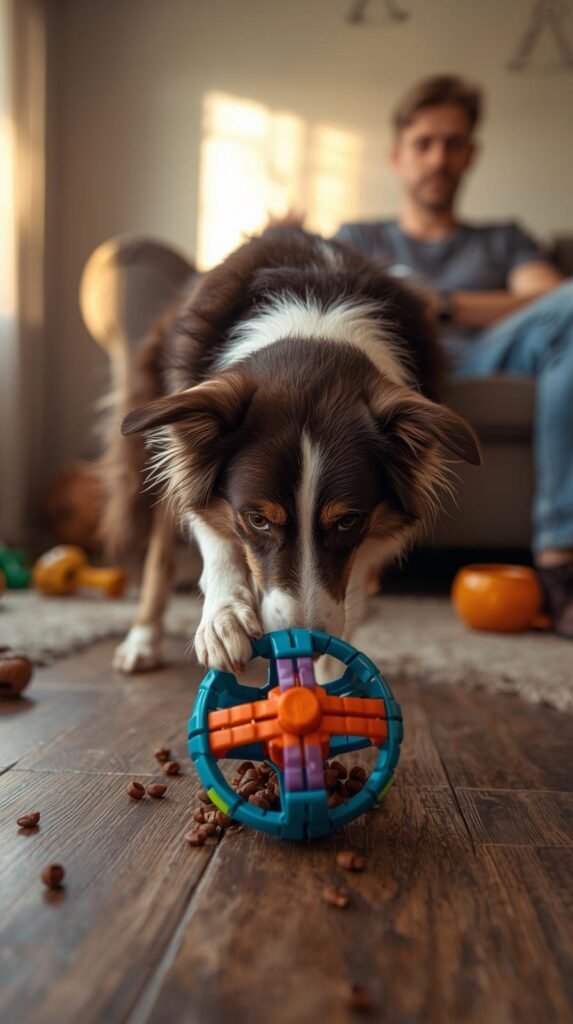
- Puzzle toys – hide treats inside and let your dog work for them
- Training games – practice sit, stay, or roll over in short bursts
- Interactive play – hide treats around the house for “sniff and find” fun
FYI: A 20-minute mental workout can tire a dog out more than a 40-minute walk. Seriously, it’s like brain yoga for pups.
Mistake #2: Overfeeding or Free-Feeding
We all love giving treats. That snack of good boy/girl is hard to resist.
However, excessive sweets or unlimited access to kibble with time can lead to weight gain and health problems.
Why It’s a Problem
- Dogs can become obese and this stresses the joints and organs.
- The over feeding may cause digestive issues or pancreatitis.
- Portion control will make dogs appreciate their meals.
How to Fix It
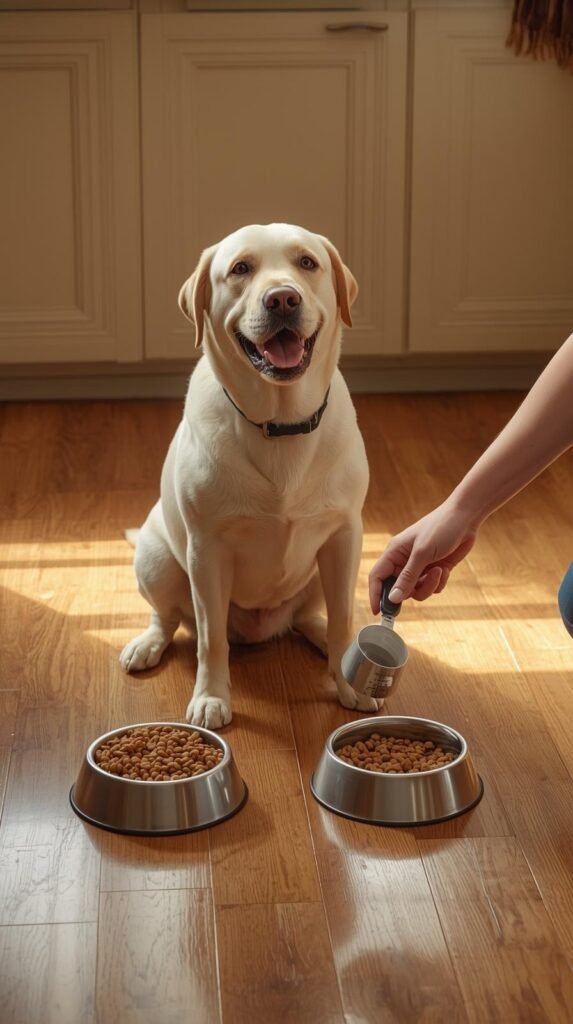
- Weigh meals according to the weight and activity of your dog.
- Planned rewards rather than spontaneous gifts.
- Use low-calorie snacks or vegetables such as carrots or green beans.
Personal Note: I had to experience this the hard way when my Labrador picked up five pounds within a month due to merely sharing snacks. The vet was not delighted and neither was my couch when she had her sudden zoomies.
Mistake #3: Ignoring Dental Health
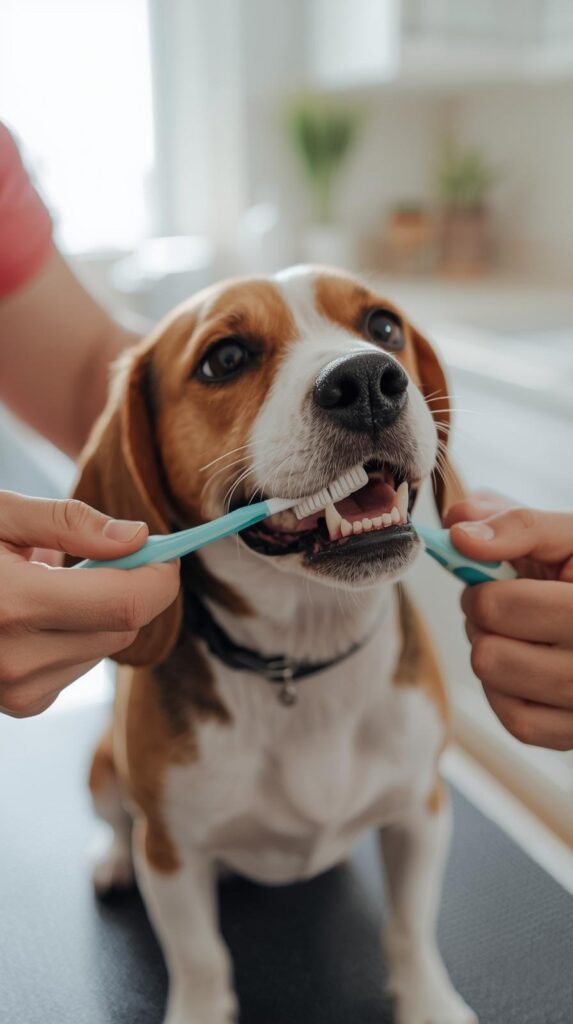
Dogs don’t brush their teeth. Shocking, right?
Lack of dental treatment causes bad breath, gum disease and even heart related issues. Not every owner knows that the way the oral health is influenced is the way the entire wellbeing is affected.
Signs Your Dog Needs Dental Care
- Yellow or brown tartar buildup
- Red, swollen gums
- Reluctance to chew toys
How to Fix It
- Brush their teeth once or twice a day or a few times a week with toothpaste that is dog safe.
- Provide plaque-reducing dental chews.
- Arrange professional cleaning once in a year.
Pro Tip: When a dog smiles, it is very cute but a healthy mouth makes them pain free and happy.
Mistake #4: Skipping Regular Vet Visits
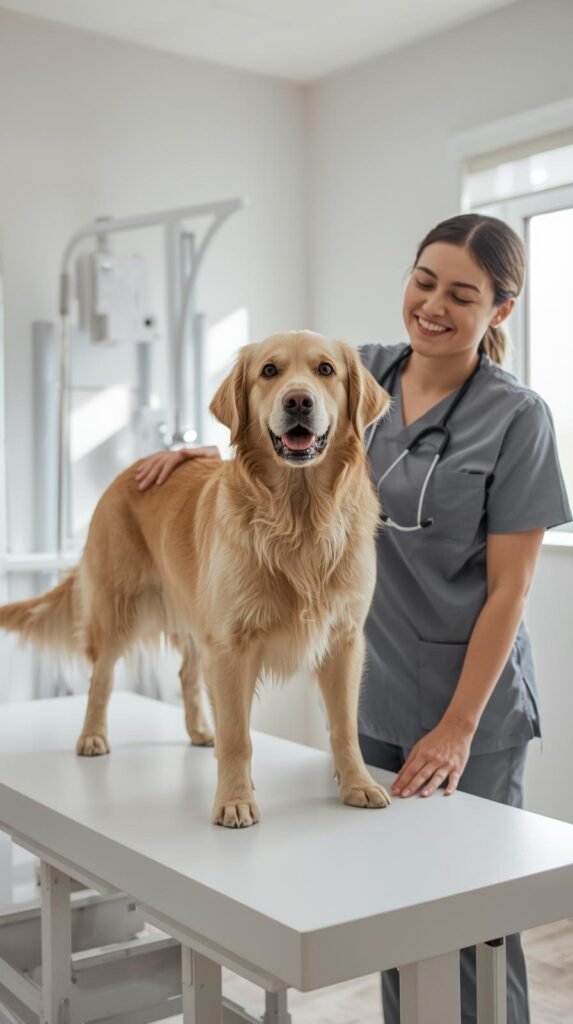
You can just assume that your dog is healthy and you do not have to rush to the vet. But dogs age more quickly than the human being and annual check-ups prevent problems before they become severe.
Common Overlooked Checks
- Heart and kidney function
- Vaccinations and parasite management
- Weight and nutrition counseling
How to Fix It
- Arrange no less than one visit per year.
- Monitor vaccinations and preventive treatment.
- Discuss breed-specific risks with your vet.
By the way, dogs are remarkably secretive about pain. The reason they are behaving well does not mean that something is not cooking at the background.
Mistake #5: Neglecting Socialization
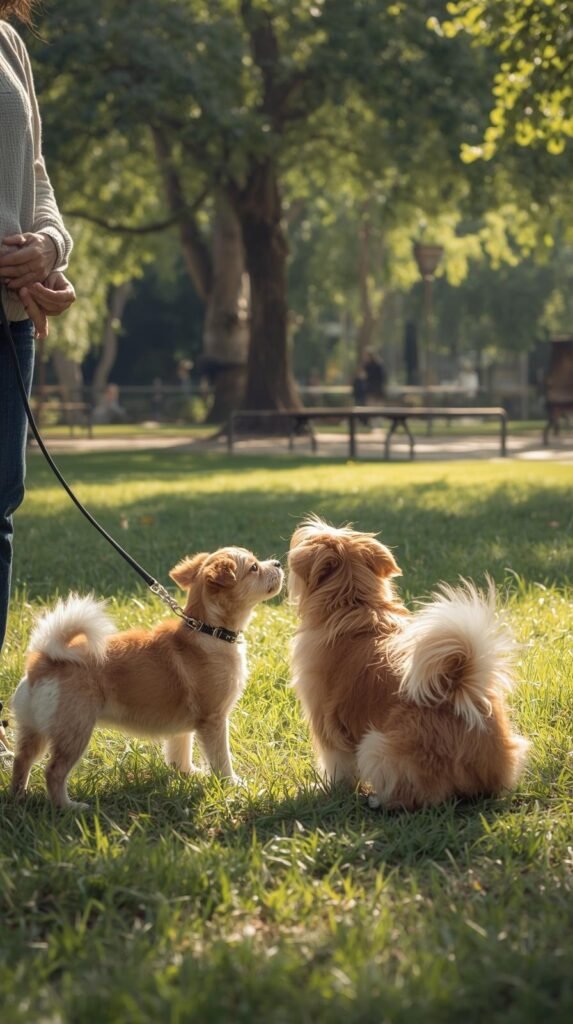
Socialization begins and ends with puppy class, and that is the assumption of many dog owners. Nope.
The dogs are required to be constantly exposed to people, other animals and new surroundings.
Absence of Socialization May Result in:
- Fear or nervousness in new circumstances.
- Aggression to fellow dogs or people.
- Excessive response to sounds, vehicles, or people.
How to Fix It
- Bring in new experiences at a slow and positive pace.
- Visit dog friendly events or parks.
- Reward being calm in stressful events.
Personal Story: My dog had the habit of barking at all strangers until I started attending dog-friendly cafes regularly. She now welcomes people with courtesy and I get my peaceful coffee.
Mistake #6: Inconsistent Training

It is important to be consistent but most dog owners slide into the sometimes rules category.
One day you can play with your dog, the next day it is not allowed to jump up to the couch. Unpredictable expectations confuse dogs and the result is frustration on your part and the dogs.
How to Fix It
- Establish some house rules and adhere to them.
- Apply the same commands to behaviors.
- Always reward with gifts or compliments.
Hack: Just 10 minutes a day will be better than an hour-long marathon every now and then. Habits are better fortified by small steady wins than by chaos.
Mistake #7: Underestimating Exercise Needs
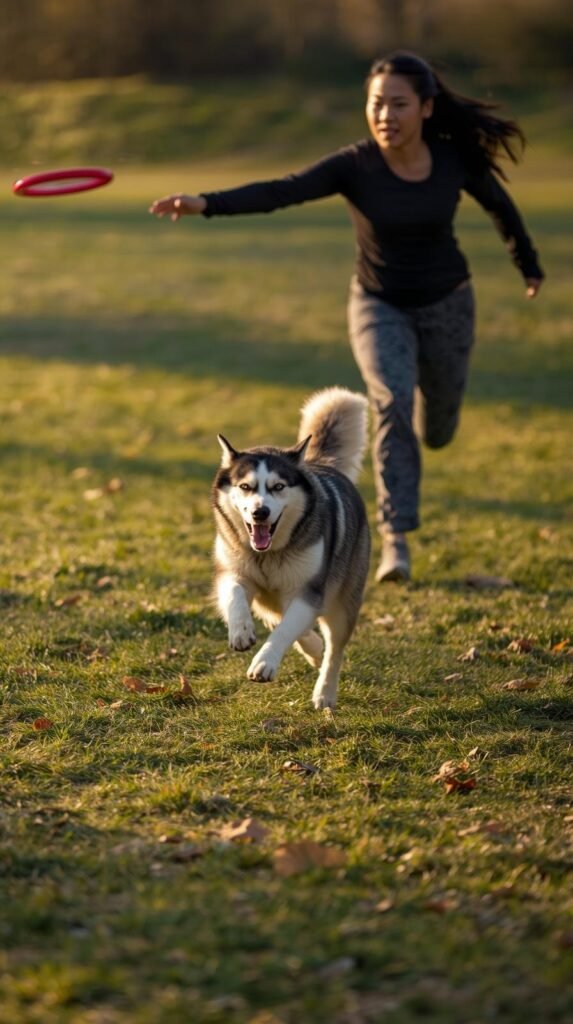
The walks are important, but not every dog is created equal. Other breeds, such as Border Collies or Huskies, require a lot more exercise and mental activity than a 20-minute walk.
Signs Your Dog Needs More Activity
- Destructive behavior
- Too much barking or whining
- Restless energy
How to Fix It
- Match exercise to breed and energy level
- Include play, agility, or fetch sessions
- Spin toys around to ensure no boredom
FYI: A tired dog is a happy dog. Trust me, I’ve learned this after stepping on countless squeaky toys at 3 a.m.
Mistake #8: Ignoring Body Language
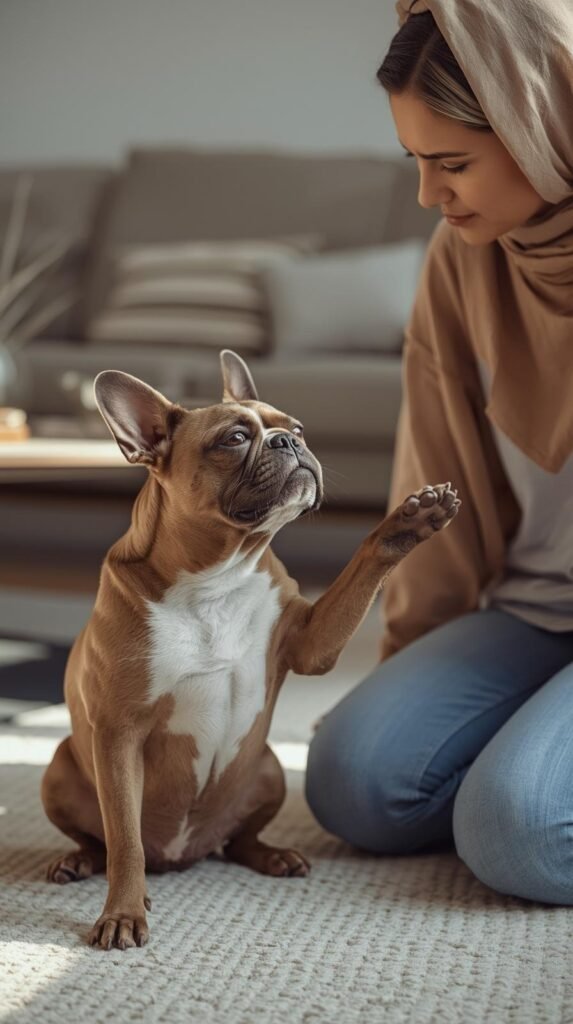
Dogs are communicative all the time, they wag their tails, ears, position, and most owners misinterpret indicators of stress, pain, or discomfort.
Ignoring these indicators may increase the behavior issues or health problems.
Common Misread Signs
- Growling = irritation, not play
- Paw lifting = pain or injury
- Excessive yawning or licking = stress
How to Fix It
- Watch your dog as he walks, plays and rests.
- Study breed-specific behaviors.
- Ask your vet or trainer whether something is wrong.
Personal Insight: Early recognition of body language saved my dog from a nasty ear infection that I almost missed.
Mistake #9: Neglecting Grooming
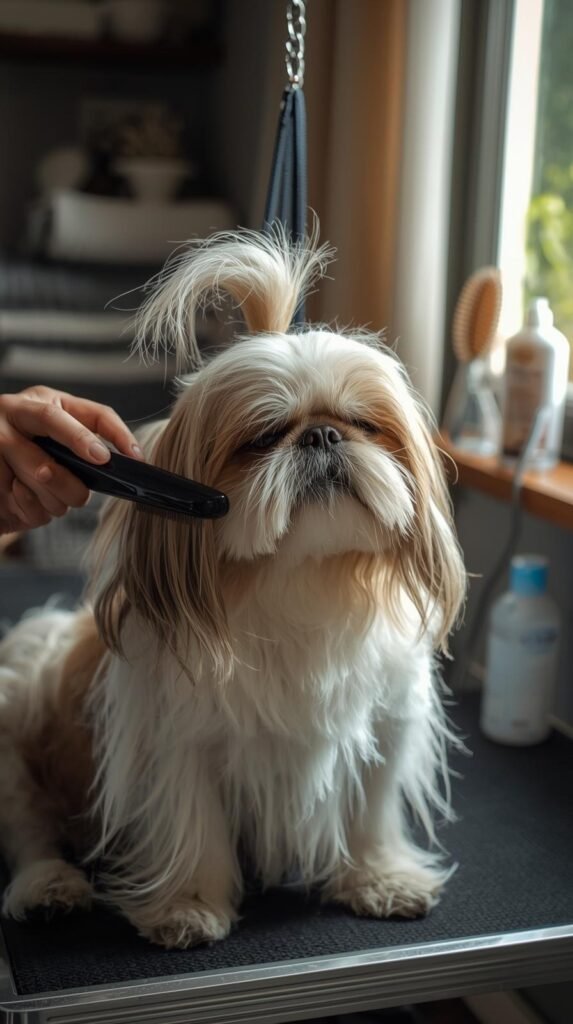
Grooming is even required to short haired dogs. Failing to take care of the coat may lead to skin problems, mats, and discomfort.
Grooming is not only a question of aesthetics it is health care.
How to Fix It
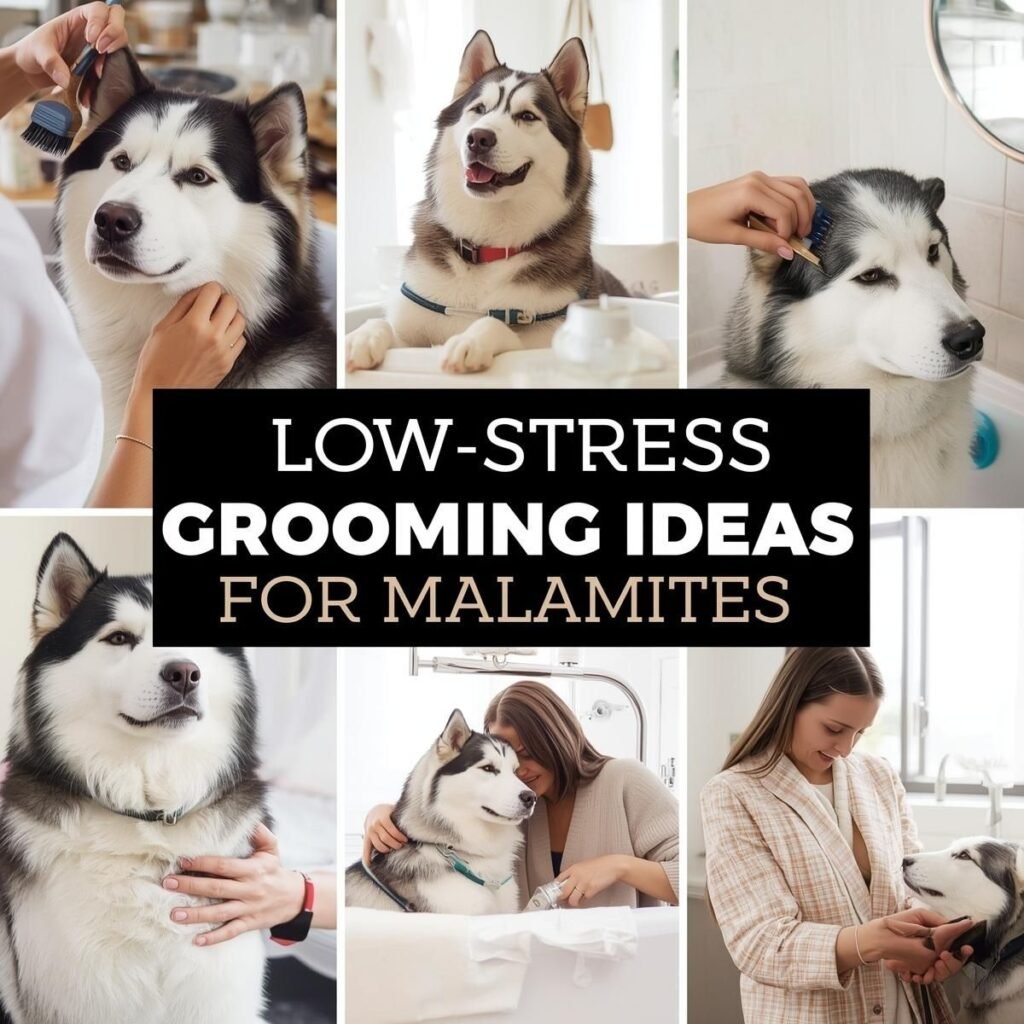
- Brush regularly for shedding control
- Bathe as needed, but not excessively
- Trim nails to prevent walking issues
FYI: Grooming is also a bonding experience. My dog actually enjoys it now, though she used to look like she was plotting revenge.
Mistake #10: Overlooking Mental Health

Lastly, dogs may get stressed, anxious, and bored as humans do. Neglecting the mental wellbeing results in destructive or anxious behaviors.
Signs Your Dog Is Stressed
- Licking or chewing excessively
- Hiding or avoiding contact
- Changes in appetite
How to Fix It
- Enrichment: use puzzles, toys, training games.
- Maintain routine for security
- Use calming aids (supplies approved by the vet or pheromones)
Final Thoughts
It is not about perfection when being a good dog owner, it is being aware. All of these are the pitfalls that each of us makes, but it is much easier to prevent them when they are young, and it can save your dog a lot of health, behavior and happiness.
The takeaway?
- Watch your dog closely
- Keep routines consistent
- Balance training, mental activity, and nursing
By taking small, intentional actions, your dog would be healthier, calmer and happier and you would have fewer surprises (chewed shoes or random zoomies at midnight).
Having a dog is a lesson in itself, and the right practices can help you to prevent those mistakes that are trivial at first glance but can be huge over time.