

Owning a pet means a lot more than feeding them and visiting the veterinary in case something goes wrong. Caring is a daily occurrence involving a series of tiny practices that create a comfortable, healthy and trusting relationship over time.
Pets have no idea when something is wrong but regularity makes them their security blanket.
Most pet owners are overwhelmed by the concept of an ideal routine. The fact is that, it does not necessarily require a rigid pet care routine, which is costly and time-consuming. The most important thing is consistency.
They will be calmer, better behaved and will have a long time staying healthy when pets are aware of what to expect.
This article breaks down a realistic and easy to follow pet care schedule that is efficient in busy homes. As a new pet parent or a person who wants to do their everyday care better, these practices will allow you to establish a stronger bond with your pet and help take care of their physical and emotional health.
The daily habits of care that create a healthy foundation of a pet.
Good pet care is based on daily routines. Such practices might appear insignificant, yet they can affect such aspects as digestion or mood.
Table of Contents
Consistent Feeding Times

Doing regular feeding of your pet about the same time daily will help to normalize their internal clock. Pets will also feel safe when the timing of meals is predictable and this will minimize behaviors that are associated with anxiety such as whining, pacing or begging.
Best practices in feeding every day would be:
- Measuring portions to avoid overfeeding
- Using food designed for your pet’s age and size
- Cleaning bowls frequently to avoid bacteria
Digestion is also disrupted when the feeding time or the type of food eaten is suddenly changed and the transition must be gradual.
The Fresh Water Is a Daily Requirement
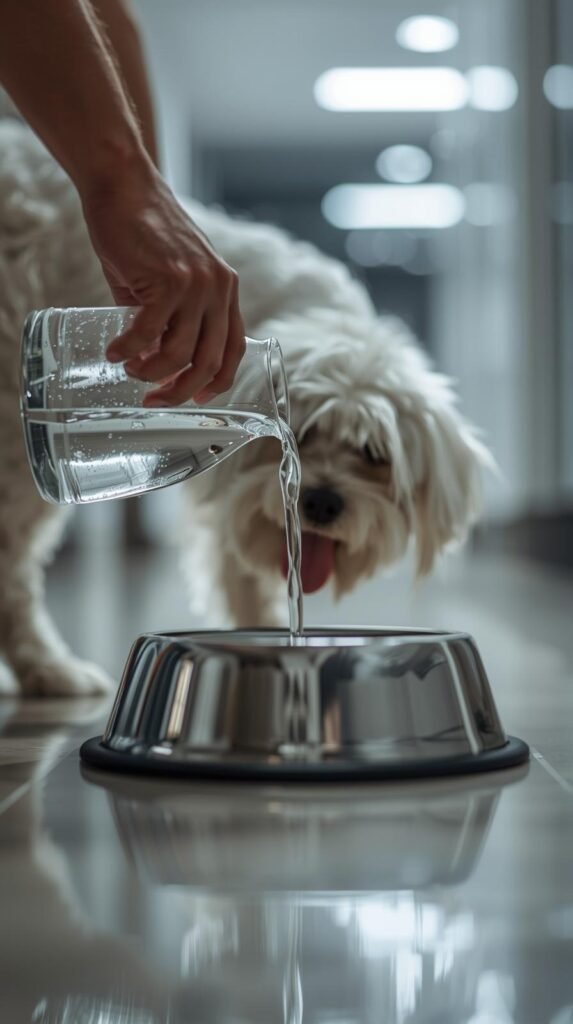
Water is a neglected yet one of the significant aspects of everyday care. Dehydration may cause lethargy, dry skin, urinary complications, as well as kidney problems.
Healthy water habits:
- Replace water at least once daily
- Clean bowls to remove slime buildup
- Set water bowls in places that are accessible and quiet
There are pets that consume more water when it is fresh and cold hence a daily change in water supply can be observed.
Daily Movement and Physical Activity

Working out does not only help you shed pounds of energy, it helps keep the joints healthy, digestive tracts running smoothly and emotionally balanced. Dogs should have walks daily and cats should be provided with interactive play which simulates hunting.
Benefits of daily movement:
- Prevents weight gain
- Reduces stress and boredom
- Encourages better sleep
The aim is not to get tired but to move regularly. Such short sessions can be of long-term benefits.
Quick Daily Health Observation

A daily visual check helps you catch small issues early. You don’t need medical knowledge, just awareness.
Watch for:
- Changes in appetite
- Limping or stiffness
- Over scratching and licking
- Sudden behavior changes
These indicators tend to manifest themselves prior to the development of serious health issues.
Care Habits to Prevent Bigger Problems Weekly
The weekly care centers on cleanliness, comfort, and early prevention.
Brushing and Coat Maintenance
Brushing does more than reduce shedding. It enhances circulation and contributes to the distribution of natural oils on the coat.
Weekly brushing helps:
- Prevent painful matting
- Reduce hair buildup in the home
- Reveal hidden skin issues
Long haired pets might require brushing several times a week particularly at the time of shedding.
Ear and Eye Checks
Ears and eyes are sensitive areas where infections often begin.
Once a week:
- Check for redness or swelling
- Look for unusual discharge
- Pay attention to strong or sour smell
The irritation can be avoided in the initial stages, which means preventing expensive doctors visits in the future.
Cleaning Pet Spaces
The health of your pet is influenced by its environment more than you probably thought.
Cleaning should be done weekly, and it should include:
- Washing pet bedding
- Cleaning litter boxes thoroughly
- Removing pet hair in sleeping places
Clean space minimizes allergen, odor and bacteria formation.
Mental Enrichment and Emotional Support
As with physical health, mental health is vital to pets.
Enrichment Activities
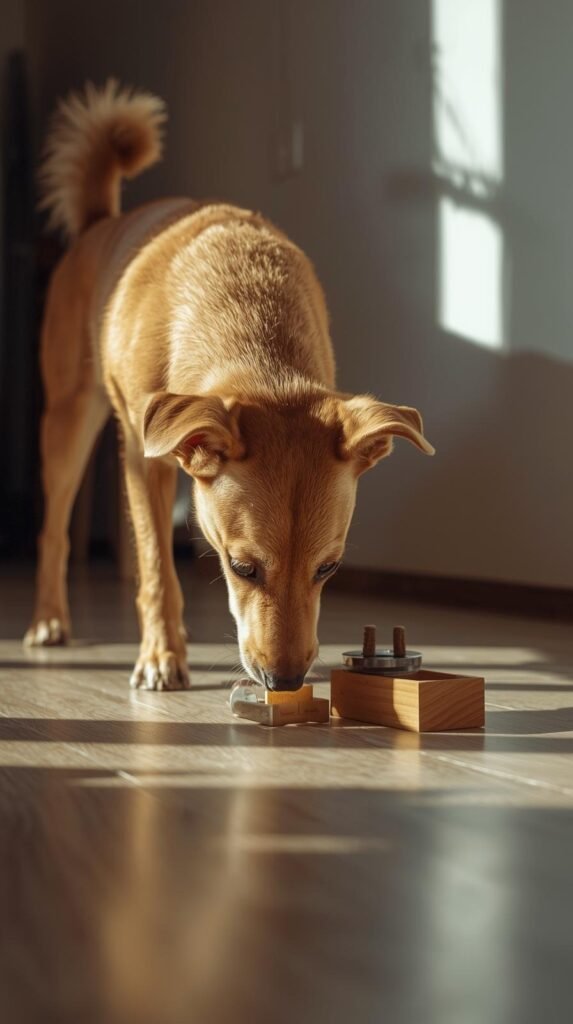
Pets require attention to be kept mentally stimulated. Monotony will result in boredom, and destructive behaviour.
Simple enrichment ideas:
- Puzzle feeders
- Rotating toys
- Hide-and-seek games
A pet can be exhausted after 10 minutes of mental activity than through physical activity.
Intentional Bonding Time

Bonding does not necessarily involve play. Peaceful quiet moments make pets feel secure, and a part of them.
Bonding activities include:
- Gentle petting
- Sitting together quietly
- Brushing or grooming sessions
These are the moments that intensify trust and enhance behavior in the long run.
Monthly Pet Care Activities That help in Supporting Long-term Health
Routines should be supported on monthly basis to avoid cumulative issues.
Nail Trimming
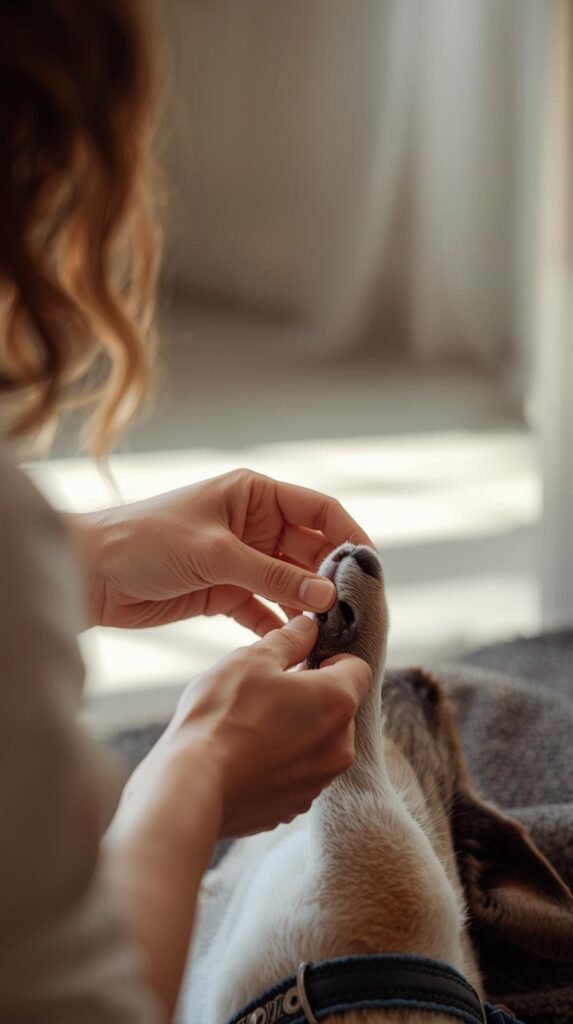
Long nails may be painful and influence the posture. There comes a time when a lot of pets get distressed even before their owners notice it.
Clip nails once in 3-4 weeks and encourage calm behavior in order to make the process stress free.
Dental Care and Oral Health
The health of the teeth influences the wellbeing of the whole body. Bacteria on the infected gums may be transferred to the vital organs.
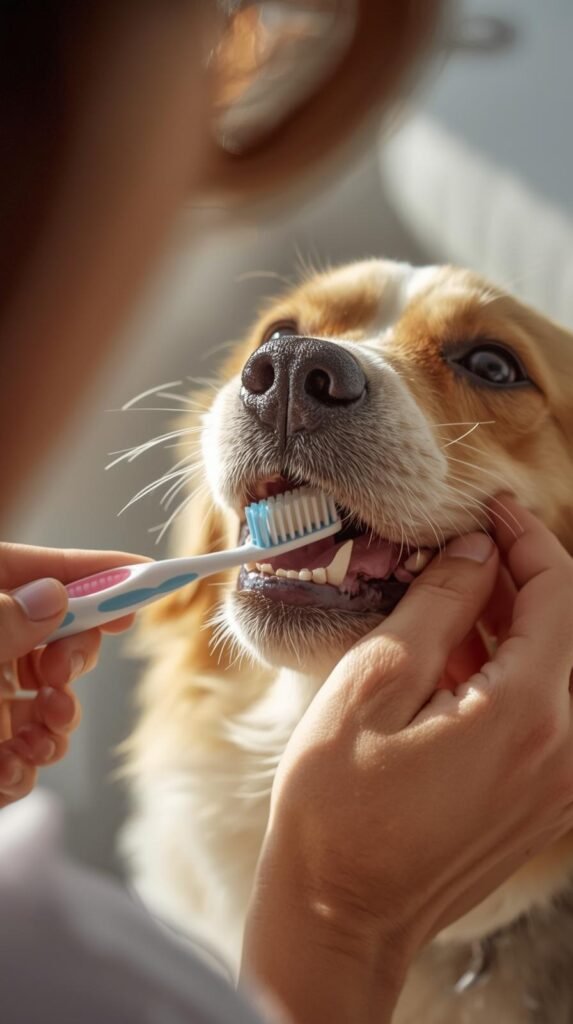
Daily habits of brushing the teeth monthly include:
- Washing teeth using pet-safe products
- Offering dental chews
- Testing bad breath or redness
Brushing at least a few times is preferable.
Bathing and Skin Care
Not every pet requires regular bathing. The excessive use of baths may dry skin and lead to irritation.
Only bathe when:
- Dirty or smelly
- Having got in something nasty
- Recommended by a vet
Always apply soft, pet-friendly shampoo.
Seasonal Care Pet Changes
Routines of caring about pets should be adjusted to the changes of weather.
Warm Weather Care

During warmer months:
- Increase water intake
- Take pets out during cooler times
- Note temperature increase
Heat exhaustion may occur within a short period of time and this is common in flat-faced breeds.
Cold Weather Care
In colder months:
- Keep paws away of salt and ice
- Provide warm sleeping areas
- Modify calories in case of reduced activity
Even pets indoors are affected by the changes in the temperature and require comfort adjustments.
Regularity More Than Excellence
There is no standard that a routine must be. One day off will not reverse months of good care.
What pets truly need:
- Predictability
- Gentle attention
- A calm environment
Simple habits done consistently matter far more than complicated plans.
Final Thoughts: Routine Is How Pets Feel Loved
To pets, routine equals safety. It informs them that they are loved, guarded and have been empathized with.
With a simple day to day, weekly, monthly routine, you are able to provide a stable environment in which your pet can grow emotionally and physically. Such practices enhance confidence, elevate health, and enhance your connection.
There is no need to overdo anything in pet care, just do everything that should be done regularly.