
A lot of dog owners have the same quiet question at some point: am I actually doing enough?
Caring deeply doesn’t always make things clearer. During all those long lists of “must-dos,” daily dog care can start to feel more complicated.
In practice, consistency tends to matter most.
Dogs don’t seem to need perfect routines or constant upgrades. They respond to simple habits done regularly – the kind that make them feel secure, healthy and understood over time.
The daily dog care tips that follow focus on those basics. Not the flashy stuff but the everyday choices that quietly shape a dog’s well-being.
Table of Contents
Why Daily Dog Care Is More Important Than Occasional “Big Efforts”
One can easily believe that a walk every now and then or a new toy can solve all problems. But dogs thrive on routine. Everyday care creates trust, avoids health complications and teaches you to see the slightest changes at an early stage.
When daily needs are met, dogs:
- Feel more secure
- Show fewer behavior problems
- Recover faster from stress
- Age more comfortably
Quick reminder: It is little things that you do every day that are more effective than big ones. Minutes spent deliberately every day do matter more.
1: Fresh Water, All Day, Every Day
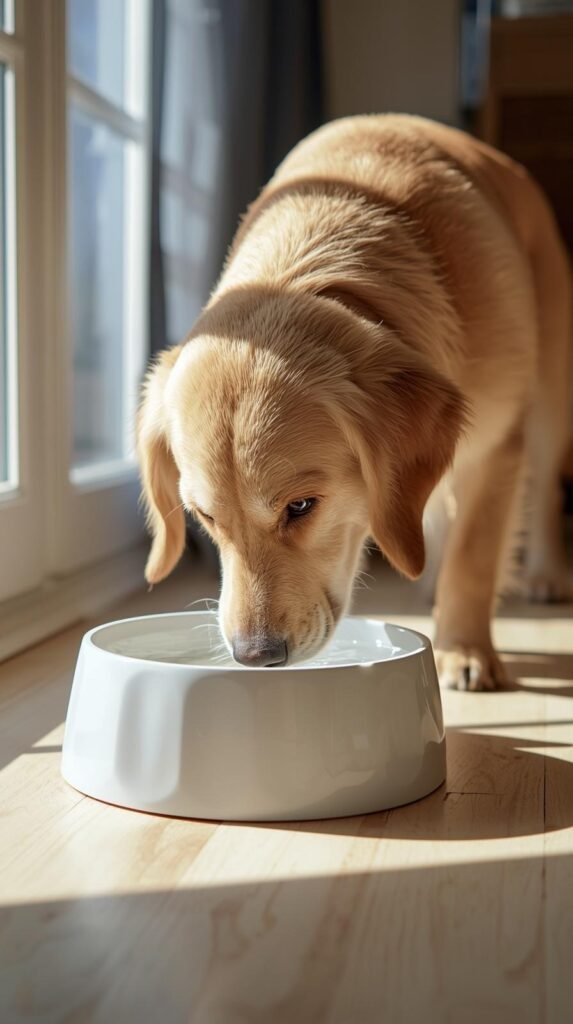
Hydration sounds basic, but it tends to matter more than people realize.
Dogs rely on water for a lot of quiet background functions. When bowls stay clean and fresh, drinking happens naturally. When water sits too long, collects hair, or develops residue, some dogs simply drink less – especially the picky ones.
Changes are usually noticeable, too. Drinking much more or much less than usual often stands out before anything else does.
Why this matters:
Water plays a role in overall energy. When hydration is off, other things feel off as well.
Daily habit:
Fresh water showing up daily, with bowls staying clean enough that nothing gets in the way.
2: Consistent Feeding Times Build Security
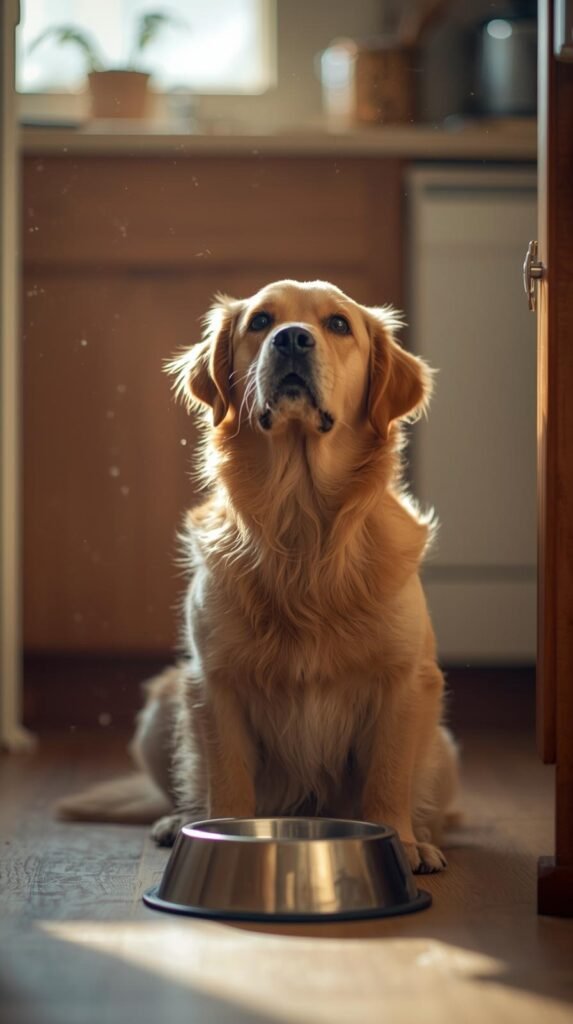
Feeding time tends to mean more to dogs than just nutrition.
When meals show up around the same time each day, dogs often seem more settled. There’s less pacing, less checking the bowl, and fewer questions about when food is coming.
That regular rhythm also tends to help digestion and bathroom routines fall into place more smoothly.
Perfection isn’t really the point here. What seems to matter more is avoiding big swings and unpredictable timing that keep dogs guessing.
Why this matters:
Predictable meals lower stress around food and support steadier digestion.
Daily habit:
Meals happening at roughly the same times each day, without food being available all the time.
3: Daily Movement That Matches Your Dog’s Needs
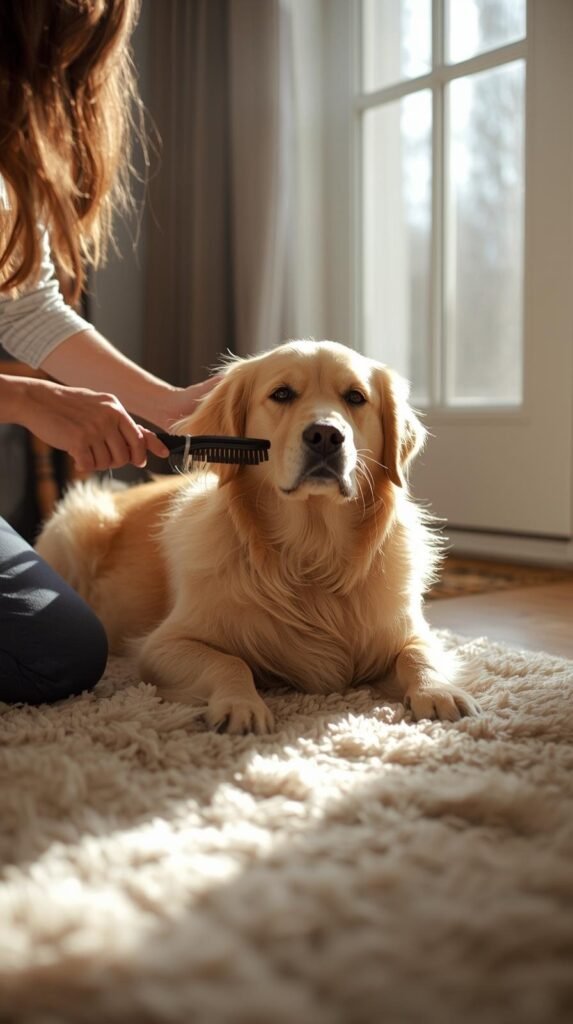
Movement not always means long walks or high energy play.
Some dogs thrive on this activity. Others do better with something quieter. What seems to matter most is that movement shows up daily in a form that fits the dog in front of you.
That can look like a relaxed neighborhood walk, some backyard time, a short indoor game on busy days, or gentle movement for older dogs. The shape changes, but the presence stays consistent.
Why this matters:
Regular movement supports joint comfort and sleep, especially when it matches a dog’s age, breed and health.
Daily habit:
Enough activity to keep the body engaged. That is without pushing into overstimulation.
4: Mental Stimulation Is Non-Negotiable
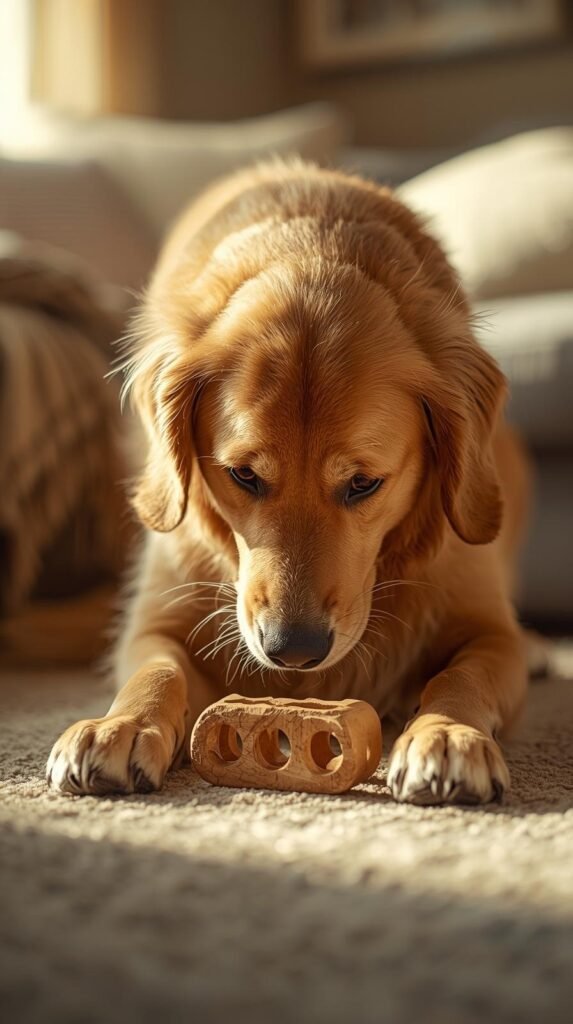
Physical exercise alone doesn’t tire most dogs out. Mental stimulation is just as important or sometimes more.
Mental enrichment includes:
- Sniffing games
- Puzzle toys
- Short training sessions
- Letting dogs explore smells on walks
Even five to ten minutes of mental work can noticeably change your dog’s behavior for the better.
Why this matters:
Mental engagement prevents boredom and anxiety.
Daily habit:
Try Including one mentally engaging activity at least each day.
5: A Quick Daily Health Check Saves Trouble Later
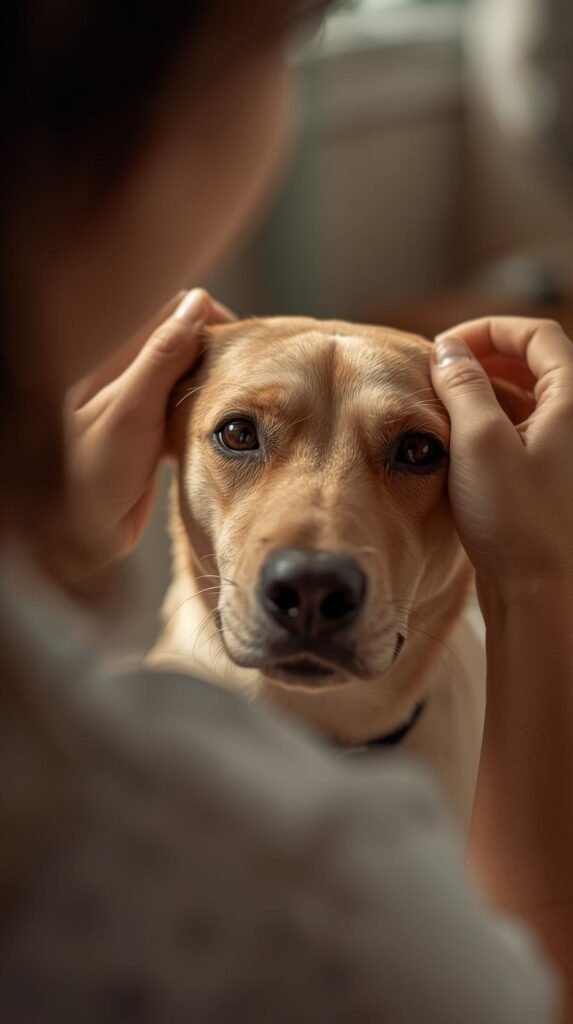
You don’t need to examine your dog like a professional, just stay observant.
Each day, casually notice:
- Eyes and ears
- Skin and coat condition
- Energy level
- Appetite
- Bathroom habits
Small changes often appear before serious problems develop.
Why this matters:
Early detection helps to avoid any discomfort and expensive vet visits.
Daily habit:
Check your dog during routine moments like feeding or cuddling.
6: Simple Grooming Keeps Dogs Comfortable
Many of us take daily grooming as long brushing sessions.
But in reality It can be as simple as:
- Quick brush
- Wiping paws after walks
- Checking for tangles or debris
Regular and short grooming sessions are easier for you and your dog equally.
Why this matters:
Good grooming helps prevent skin irritation and infections.
Daily habit:
Spend one or two minutes maintaining the coat and paws.
7: Emotional Connection Matters More Than You Think
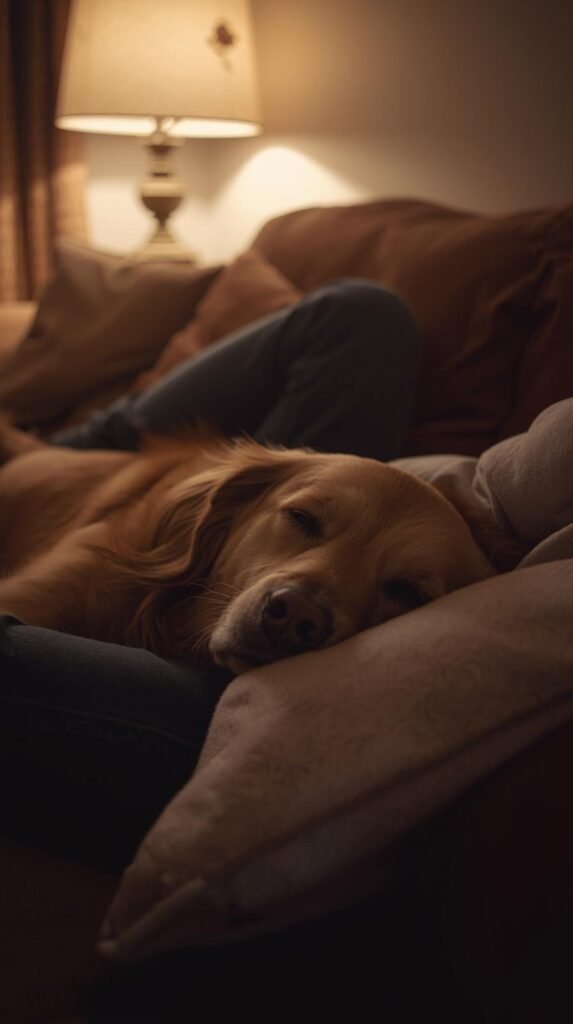
Dogs need more than just care. They respond strongly to connection.
Quiet time together carries more weight. Being next to each other or just being in the same place, without anything to distract, does a great deal in establishing trust and emotional safety.
Dogs are very sensitive to body language and tone. Even when nothing is apparent, those little still moments are registered.
Why this matters:
Emotional connection helps everything feel less stressful and a lot easier.
Daily habit:
Unhurried time spent together, without asking anything of the dog beyond being present.
8: Bathroom Routine Awareness
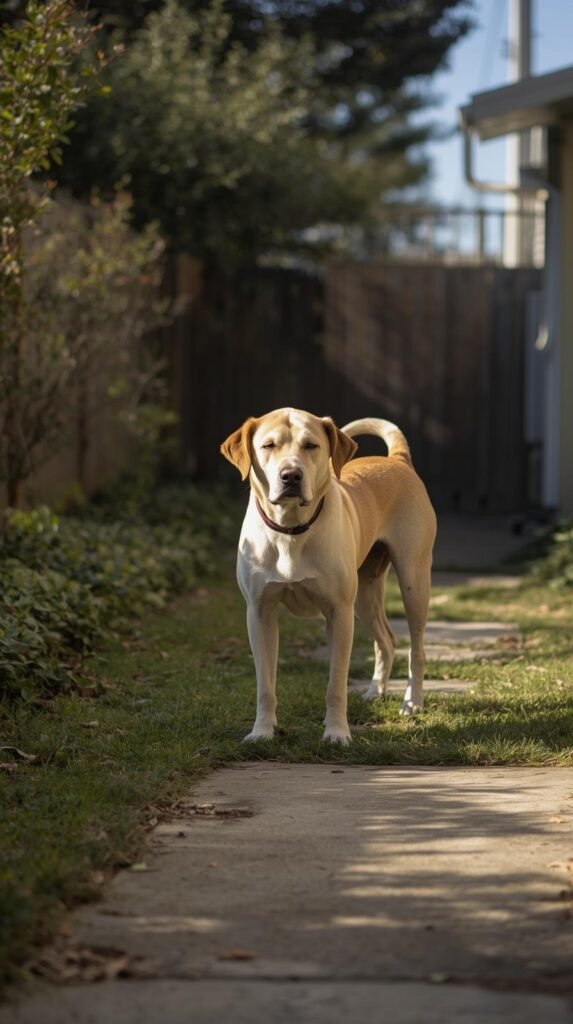
Frequency, consistency and changes usually stand out over time.
When routines feel rushed or opportunities get skipped, discomfort often shows up first sometimes followed by accidents that aren’t really behavioral at all.
Age plays a role too. Puppies and older dogs often need more frequent chances, even when everything else stays the same.
Why it tends to matter:
Bathroom routines will help with digestion and general comfort, particularly when dogs are not expected to withhold anything more than they can reasonably.
What it usually looks like:
Adequate time and space to get things done without haste or hurry.
9: A Calm Wind-Down Routine at the End of the Day
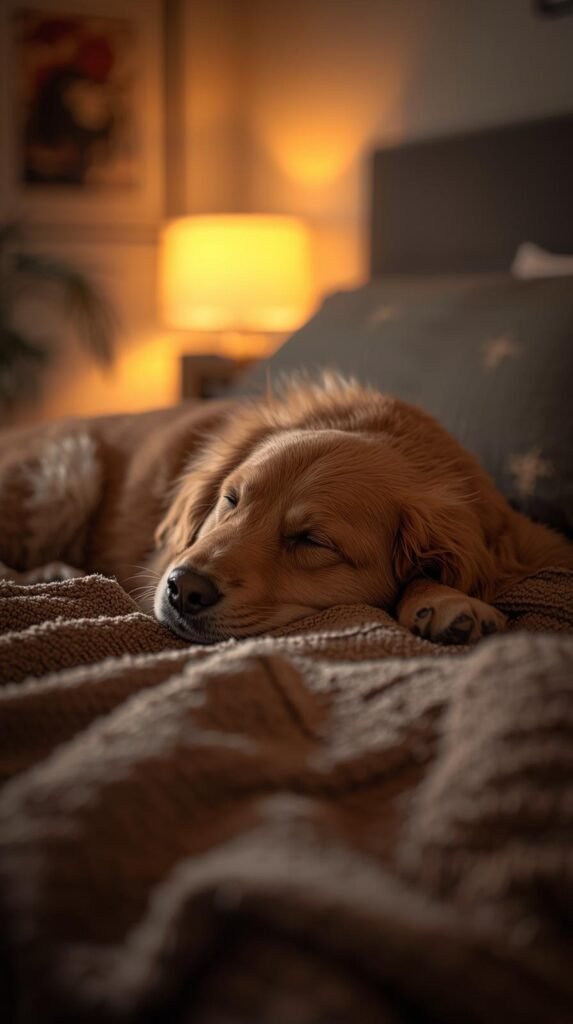
Dogs benefit from a clear transition from activity to rest.
A calm evening routine could include:
- A gentle walk
- A chew or lick activity
- Quiet time together
Dogs who don’t wind down properly often struggle with restlessness and sleep issues.
Why this matters:
Consistent relaxation supports better sleep and emotional balance.
Daily habit:
Create a predictable and calm end-of-day routine.
Fitting Daily Care Into Real Life
Doing everything perfectly every day isn’t really the goal.
Daily dog care tends to work better when it’s thought of in layers rather than a checklist. Food and water form the base. Movement and mental engagement add support.
Observation and connection tie it all together.
When those layers show up most days, even imperfectly, dogs generally do well.
Where Daily Care Can Drift off Balance
Inconsistency tends to cause more issues than missed details. Small changes get overlooked.
Too much stimulation crowds out calm time. Mental enrichment gets skipped in favor of physical activity alone.
Balance usually matters more than intensity.
Final Thought
Daily dog care isn’t about getting everything right but showing up.
Simple but repeatable habits have the biggest impact. Dogs feel safer and more relaxed when care feels steady instead of forced. And when a dog feels good, life together tends to feel easier too.
If you’re present most days even when things aren’t perfect that’s already enough.